



Blog
Engine Coolant for Commercial Fleets: What Fleet Managers and Their Suppliers Need to Know

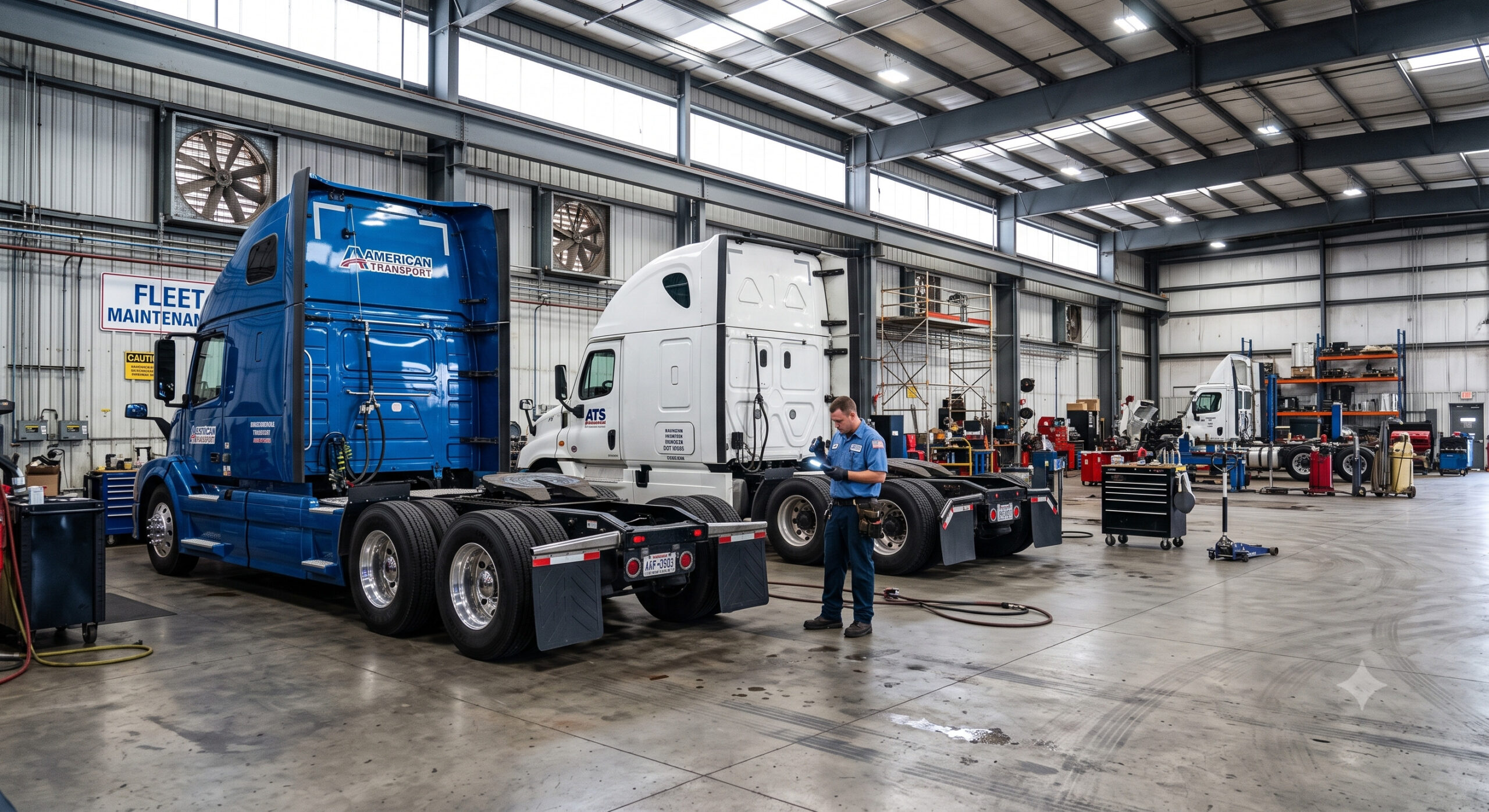
Engine Coolant for Commercial Fleets
What Fleet Managers and Their Suppliers Need to Know
Executive Summary
B2B Core SpecificationsSourcing and distributing engine coolant for commercial fleets is dictated entirely by technical compliance, machinery duty cycles, and strict operational uptime. Fleet accounts represent highly predictable, long-term contractual volume for automotive chemical distributors, but they cannot be served with retail automotive product line alternatives.
Strategic Summary: Distributors targeting high-volume commercial transport, agricultural, municipal, or construction accounts must carry dedicated heavy-duty formulations. Failure to match engine metallurgy specifications voids warranties and hazards catastrophic wet-sleeve liner cavitation failure.
The definitive industry benchmark required for heavy-duty fully formulated coolant configurations.
Essential chemical inhibitors engineered specifically to mitigate wet-sleeve cylinder liner pitting.
Introduction
Commercial fleets are one of the most important customer segments for automotive chemical distributors. Fleet operators — trucking companies, bus lines, construction operations, agricultural businesses, and municipal vehicle managers — buy coolant in consistent, predictable volumes.
Once you establish a reliable supply relationship with a fleet account, it tends to stay in place for years. But supplying fleets well requires understanding what they actually need, which is not the same as what you stock for passenger car retail. This guide covers the specific coolant requirements of commercial fleets, what distributors need to know to serve them correctly, and how to evaluate a supplier who can back you up.
Why Fleet Coolant Is a Separate Category
Fleet vehicles — particularly diesel-powered commercial trucks, buses, construction equipment, and generators — operate under significantly different conditions than passenger cars. Higher thermal loads, higher operating pressures, longer continuous running hours, and different engine metallurgy all require coolant formulations that go beyond what a passenger car product can deliver.
The Wet-Sleeve Liner Problem
The most critical difference is protection against liner pitting. Heavy duty diesel engines use wet sleeve cylinder liners that are vulnerable to a specific form of erosion called cavitation. Passenger car coolants do not address this because passenger car engines simply do not have this component.
Heavy duty coolants contain specific nitrite-based inhibitors that protect against liner pitting — and without them, engine damage in commercial vehicles can be catastrophic and expensive.
The Passenger Vehicle Reality
Standard passenger car engines operate under vastly lower stress cycles and do not utilize wet sleeve liners, meaning their corresponding additive packs do not account for cavitation pressures.
⚠️ Operational Risk Hazard
Using passenger car coolant in a heavy duty diesel engine is not a minor shortcut. It voids manufacturer warranties, accelerates component wear, and can lead to liner failures that result in engine rebuilds costing tens of thousands of dollars.
What Fleet Managers Are Looking For
Fleet managers are not impulse buyers. They make deliberate sourcing decisions based on specification compliance, supply reliability, and total cost of ownership. When a fleet manager evaluates a coolant supplier — whether directly or through their distributor — they are looking for:
ASTM D6210 compliance
This is the standard for heavy duty fully formulated coolant. It is a different and more demanding standard than ASTM D3306, which covers passenger car coolant. Confirm D6210 compliance before recommending any coolant for heavy duty applications.
Cavitation protection
Ask specifically whether the coolant contains nitrite or NOAT inhibitors designed to protect wet sleeve liners. This is the make-or-break specification for diesel fleet operators.
OEM compatibility
Major commercial vehicle manufacturers — Cummins, Caterpillar, Detroit Diesel, Volvo, and others — publish their own coolant specifications. Fleet managers with vehicles from these manufacturers need to know the coolant meets the relevant OEM approvals.
Consistent supply
Fleets run on schedules. A coolant supplier who cannot guarantee consistent supply creates real operational problems for fleet managers. Reliability is often weighted as heavily as price.
What This Means for Distributors
If you supply fleet accounts or want to, your coolant line needs to include dedicated heavy duty coolant product alongside your passenger car range. Trying to serve a fleet account with passenger car coolant — even a premium formulation — will eventually create a problem either with the fleet manager who knows the specification or with the engine that does not receive the right protection.
From a business standpoint, fleet accounts are worth the investment in the right product range. They buy consistently, in volume, on predictable schedules. A fleet account that trusts you for coolant is also a natural customer for DEF, degreasers, and other products in your catalog.
Sourcing Fleet Coolant in Volume
When evaluating a coolant supplier for your fleet accounts, the questions are specific:
Do they manufacture heavy duty coolant that meets ASTM D6210?
Does the product contain nitrite or NOAT inhibitors for liner pitting protection?
Can they supply drum and tote quantities in addition to cases and pallets?
Do they offer private label for distributors who want to build their own brand in the fleet market?
What are their lead times and minimum order quantities for heavy duty product?
One thought on “Engine Coolant for Commercial Fleets: What Fleet Managers and Their Suppliers Need to Know”