

Blog
How to Source Automotive Chemicals From a US Manufacturer: A Distributor’s Guide

How to Source Automotive Chemicals in Volume
The 6-Step Blueprint for Distributors, Importers, and Retail Chains
Introduction
If you are a distributor, importer, or retail chain buyer looking to add automotive chemicals to your catalog - or to switch to a more reliable US supplier - this guide is for you.
Sourcing finished automotive chemicals in volume (by container or truckload) is different from buying retail. The questions you need to ask, the certifications that matter, and the logistics considerations are specific to B2B procurement. This guide walks you through the entire process so you can evaluate suppliers with confidence and avoid the most common mistakes.
Executive Summary
Key TakeawaysSourcing automotive chemicals in volume requires a structured six-step approach: define product requirements (antifreeze, coolant, DEF, washer fluid, degreasers), understand pricing tiers from pallet to full container load, verify ASTM and API certifications with documentation, evaluate shipping logistics including FOB pricing and port proximity, assess private label opportunities for margin improvement, and validate the supplier through direct manufacturing confirmation and reference checks. US manufacturers offer advantages in quality compliance and logistics — particularly Miami-based facilities for Caribbean and Latin American buyers. Standard lead times range from 2–4 weeks for stocked products to 6–8 weeks for private label or custom formulations. American Mfg Co operates a direct manufacturing facility in Miami, Florida since 1994, supplying certified automotive chemicals worldwide by container and truckload with full documentation and private label programs.
Define Product Requirements
Identify exact products (IAT/OAT/HOAT coolant, DEF, washer fluid, degreasers), container sizes, volumes, and whether generic or private label packaging is needed.
Understand Pricing Tiers
Pallet quantities suit testing; truckloads serve domestic distributors; full container loads (18–20 pallets in 20ft, 36–40 in 40ft) are standard for importers. Per-unit cost drops significantly at each tier.
Verify Certifications
Demand ASTM compliance for coolant, ISO 22241 and API certification for DEF, OEM compatibility docs, Safety Data Sheets, and per-batch Certificates of Analysis before placing any order.
Evaluate Logistics
Confirm FOB pricing, port of origin (Miami offers advantages for Caribbean/LATAM), HS codes for customs, and lead times. Plan inventory for 2–4 week stocked or 6–8 week custom turnaround.
Assess Private Label
Private label eliminates MSRP competition and builds brand loyalty. Verify MOQs, label design support, packaging options, turnaround times, and whether the supplier owns manufacturing.
Validate the Supplier
Confirm in-house manufacturing (not brokering), production capacity, business longevity, reference customers, international payment terms, and sample order availability before committing.
Define What You Actually Need
Before contacting any supplier, get clear on your product requirements. Automotive chemicals is a broad category - and a good US manufacturer should be able to supply most or all of your needs from a single relationship.
The core product categories to consider:
Antifreeze & Coolant
IAT, OAT, HOAT, heavy-duty, EV/hybrid-compatible, and vehicle-specific formulations.
Windshield Washer Fluid
Concentrated, ready-to-use, and ultra-concentrated variants.
Diesel Exhaust Fluid (DEF)
Critical for any market with modern diesel vehicles. Must be ISO 22241 certified.
Cleaners & Degreasers
Engine, surface, and industrial heavy-duty cleaning products.
Understand Minimum Order Quantities and Pricing Tiers
US chemical manufacturers typically sell finished goods by the pallet, truckload, or container. Understanding the pricing structure before you start conversations saves time.
Entry-level B2B orders. Good for testing a new product line or smaller regional distributors.
The standard unit for US domestic distributors and retailers. Typically 20–26 pallets depending on product weight.
The standard unit for importers. A 20-foot container typically holds 18–20 pallets of finished chemical product; a 40-foot container holds 36–40 pallets.
Available for buyers who need more than a pallet but less than a full container. Useful for smaller markets or initial orders.
Verify Certifications and Product Standards
This step is non-negotiable. Selling substandard chemicals to your customers creates returns, damages your reputation, and in some cases creates liability.
When evaluating a US supplier, ask for documentation on:
- ASTM compliance for antifreeze and coolant products
- ISO 22241 and API certification for DEF
- OEM compatibility claims (e.g., GM Dex-Cool, Ford/Chrysler HOAT spec)
- Safety Data Sheets (SDS) for each product
- Certificate of Analysis (COA) for quality verification
A serious US manufacturer will have all of this documentation readily available.
If a supplier is slow to produce certifications or vague about their manufacturing standards, that is a significant red flag.
Understand Your Shipping and Logistics Options
For US domestic buyers, shipping is straightforward - LTL (less than truckload) or FTL (full truckload) via standard freight carriers. For international buyers, the key logistics considerations are:
FOB pricing
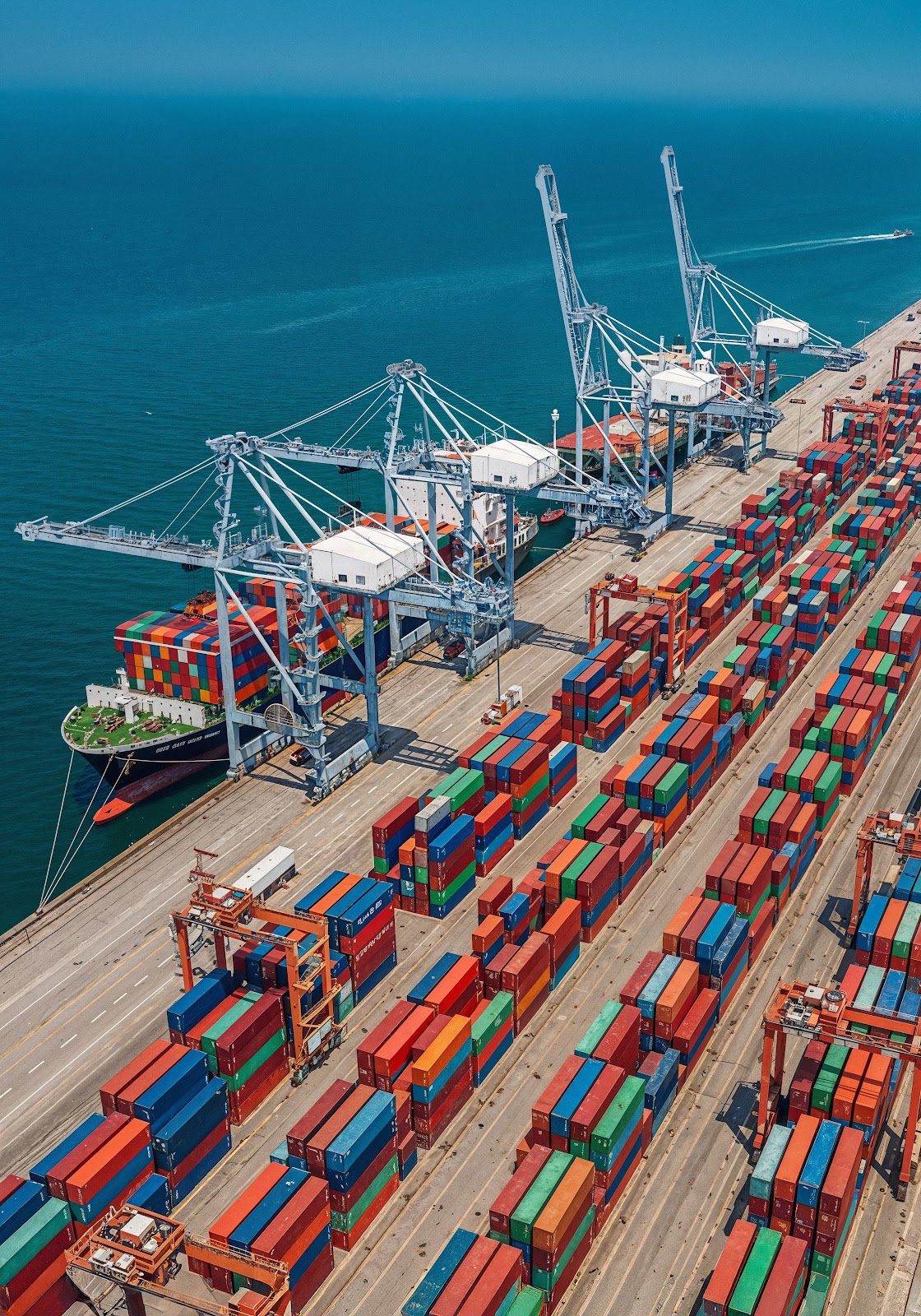
Most US manufacturers quote FOB (Free on Board) from their facility or the nearest port. For LATAM and Caribbean buyers, a supplier located in Miami offers a significant freight cost advantage over manufacturers in other parts of the US.
Port of origin
Miami is the primary gateway for Caribbean and Latin American trade. Shorter ocean transit times mean lower freight costs and faster inventory replenishment.
HS codes and customs
Finished automotive chemicals typically fall under HS Chapter 38 (miscellaneous chemical products). Your customs broker will handle classification, but confirm the codes with your supplier so there are no surprises at the port.
Lead times
Standard lead times from a US manufacturer range from 2-4 weeks for stocked products to 6-8 weeks for private label or custom formulations. Plan your inventory accordingly.
When evaluating a supplier's private label program, ask about:
- Minimum order quantities for custom labeling (typically higher than standard product MOQs)
- Label design and artwork requirements
- Packaging options (bottle sizes, jug formats, drum sizes)
- Turnaround time for new label runs
- Manufacturing ownership (whether the supplier owns their manufacturing or co-packs—owning is better for quality control)
Evaluate Private Label Options
If you are a retail chain or a distributor with your own brand, private label automotive chemicals are a significant margin opportunity.
Instead of stocking branded products where you compete on price, you carry your own label with better margins and stronger customer loyalty.
Ask the Right Questions Before You Commit
Before placing your first container or truckload order, make sure you can answer these questions about any supplier you are evaluating: